
in conversation with sophie k rosa
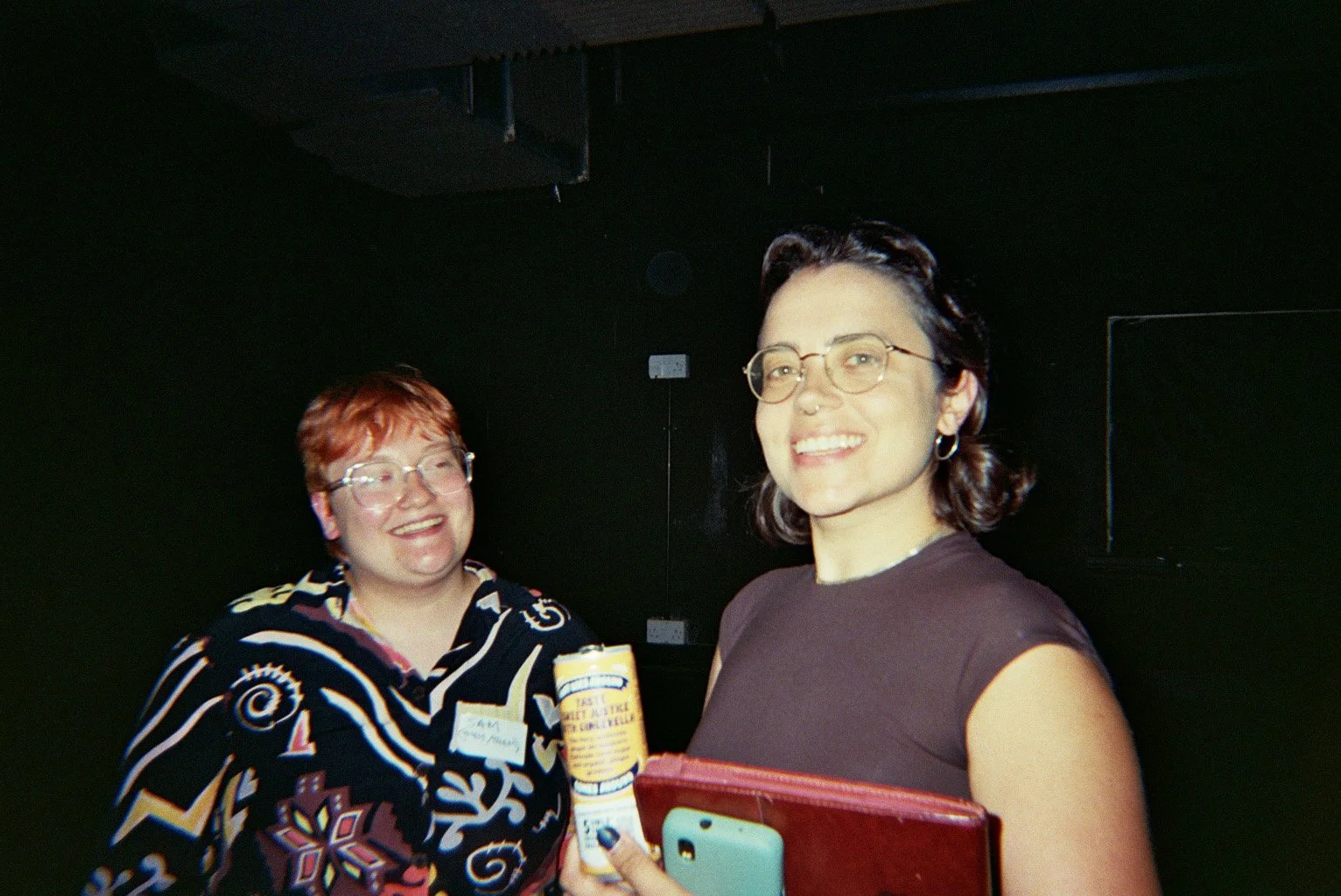
facilitated by Sam Rogers
BLOG by
AMIRA HAYAT
Pwnc Llosg is a youth led group that strives to cultivate opportunities for anyone to engage in discussions on current issues, making space for interacting with challenging topics and opening your mind to new ideas and perspectives. Our events are informed by our local context in Cardiff and wider Cymru. We develop topical questions as a collective, informed by our lived experiences in Cymru and through Cymraeg.
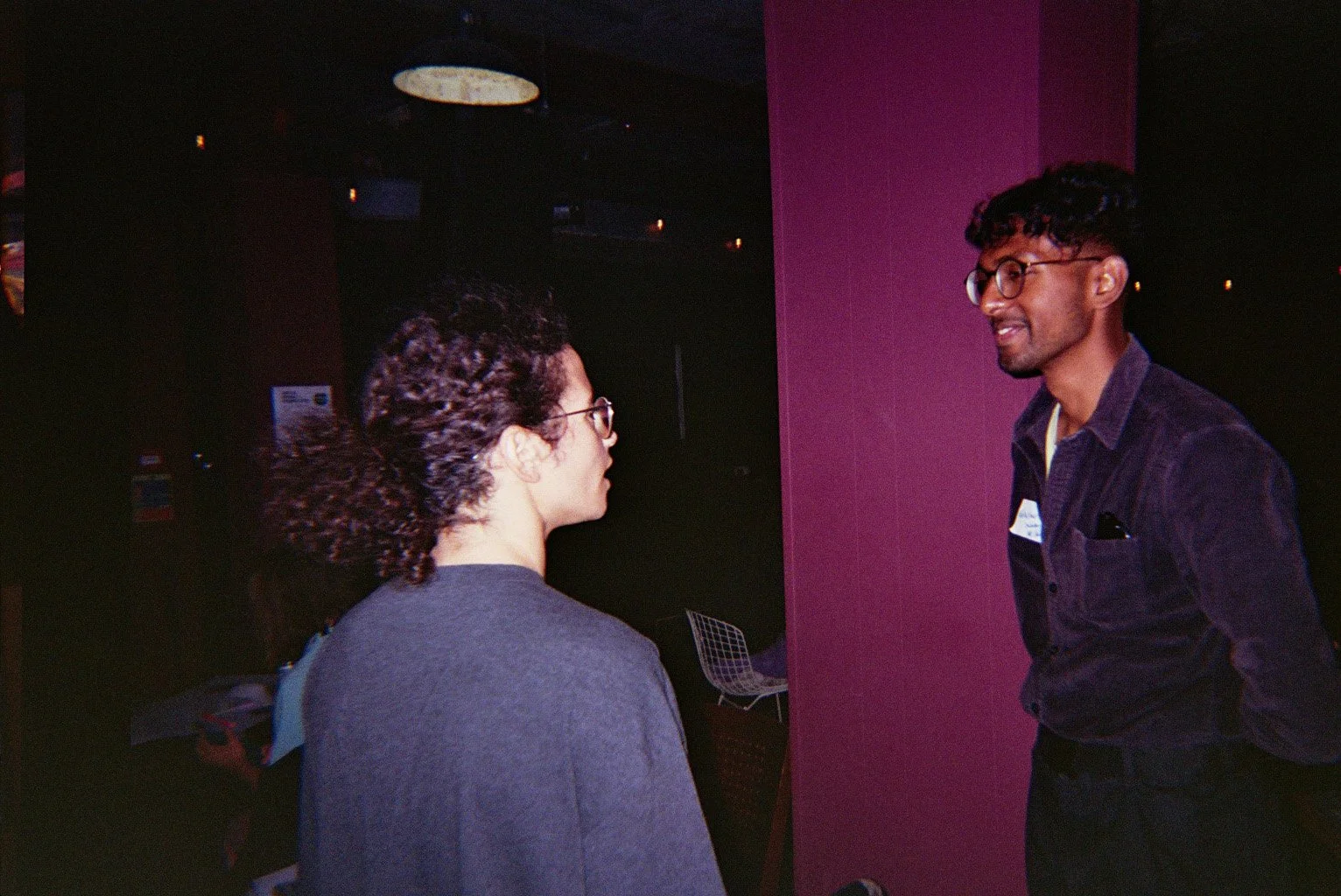
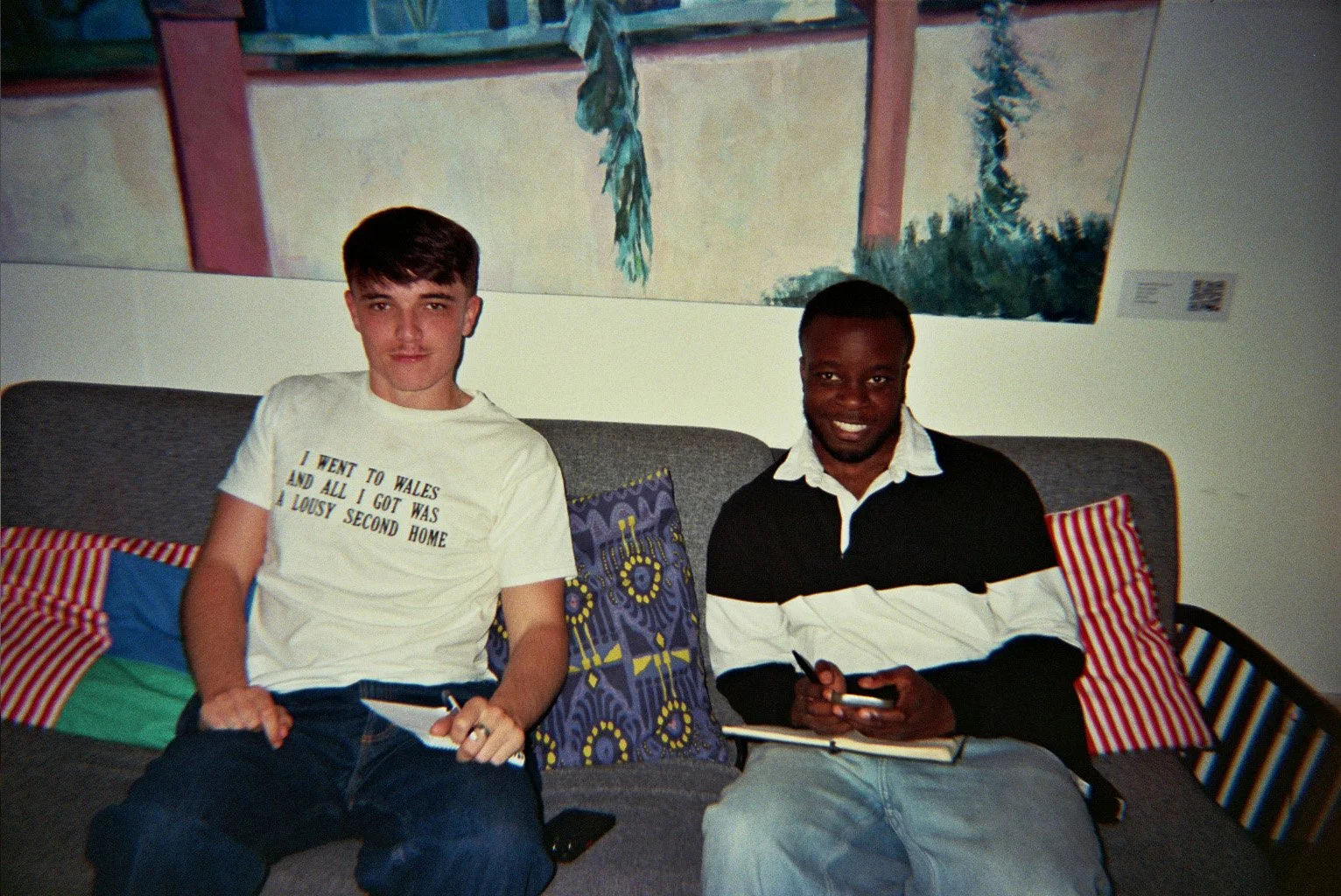
The first reading room session was on Sophie K. Rosa’s ‘Radical Intimacy’, facilitated by Sam Rogers, community organiser, activist, and writer. Pwnc Llosg collective members Dan Southhall, PhD researcher and writer whose work focuses on philosophy and Welsh identity and Samia Yassine, International Relations Masters student and activist, opened the conversation, asking how the title of the book relates to the Cymraeg-speaking perspective. Dan and Samia shared that Radical Intimacy translates most closely to Revolutionary Closeness in Cymraeg. This got us thinking about how this differs from Radical Intimacy and reframed how we approached the first question: ‘What is Radical Intimacy?’.
Sophie shared that she originally wanted to name the book ‘Intimate Comrades’, but after reviewing and editing, Radical Intimacy was the title that was settled on (which she actually prefers). The word intimacy in this book is to be defined as ‘forms of connection’ and ‘care’, to be present not absent, whilst radical is the kind of political radicalism that seeks to transform the world. The book itself aims to get to the ‘root of intimacy as we know it’. These themes are carried through the conversations held in the room.
In discussing and exploring the theme of non-transactional relationships, we began by thinking about what are non-transactional relationships and what they look like. One of the first examples is our relationship to and with the world. Rosa shares that, in order to truly love in any kind of relationship, we must battle against our own weaknesses and flaws such as narcissism and ego and that can be extremely difficult to do. We experience people as a separate universe, including behaviours and experiences that are separate from ourselves. Many participants shared that they believe that contemporary society lacks compassion and the need for real human connection, leaving little to no room for getting to the root of people, and what makes them who they truly are. In the context of Cymru, members of the group talked about their experience in growing up in Cymru in the 90s and early 2000s, and expressed that there was a real sense of friendship, kinship and community. They knew they could spend time with their neighbours because they had built strong relationships with people in their neighbourhood and this therefore led to a strong sense of community and belonging. These relationships were non-transactional, as they spent time with each other out of care, not to gain. Many of the participants feel like this is something that does not really exist to that same extent, we may know of some of our neighbours and we greet them in passing, but there is no deep sense of friendship, community and trust as there once was.
Rosa shares from her own experience in running a community co-op that building relationships in the community means that relationships cannot be transactional. You have no choice but to work together, developing personal resilience and patience with others, and this can be applied to activism, learning to navigate tension as well as maintaining solidarity amongst each other. Similarly, the sense of community and trust that has been lost in communities also happens in activist groups. Unfortunately, many groups become further divided by minor differences and this can impact trust, solidarity and community. With the idea of non-transactional relationships, we can learn to navigate around our differences whilst still working towards achieving the main goal. This is crucial to Pwnc Llosg as a youth led group that does not shy away from discussions on current topics that impact people from all walks of life. Many of us will have different life experiences, but it is important to bear in mind that we can learn from one another and still work towards our goal of learning, discussing and opening our minds to other perspectives.
The next conversation explores themes of motherhood, care, and compassion, discussing how common it is for someone in a group to take on the caring labour role as a ‘mother’ and this can, in some ways, be seen as extractive and oppressive. This can lead to other issues such as gender conditioning, gender socialisation and how they can impact care. Instead, it would be healthier to be able to teach others how to be compassionate and caring as well, therefore, being able to care for each other.
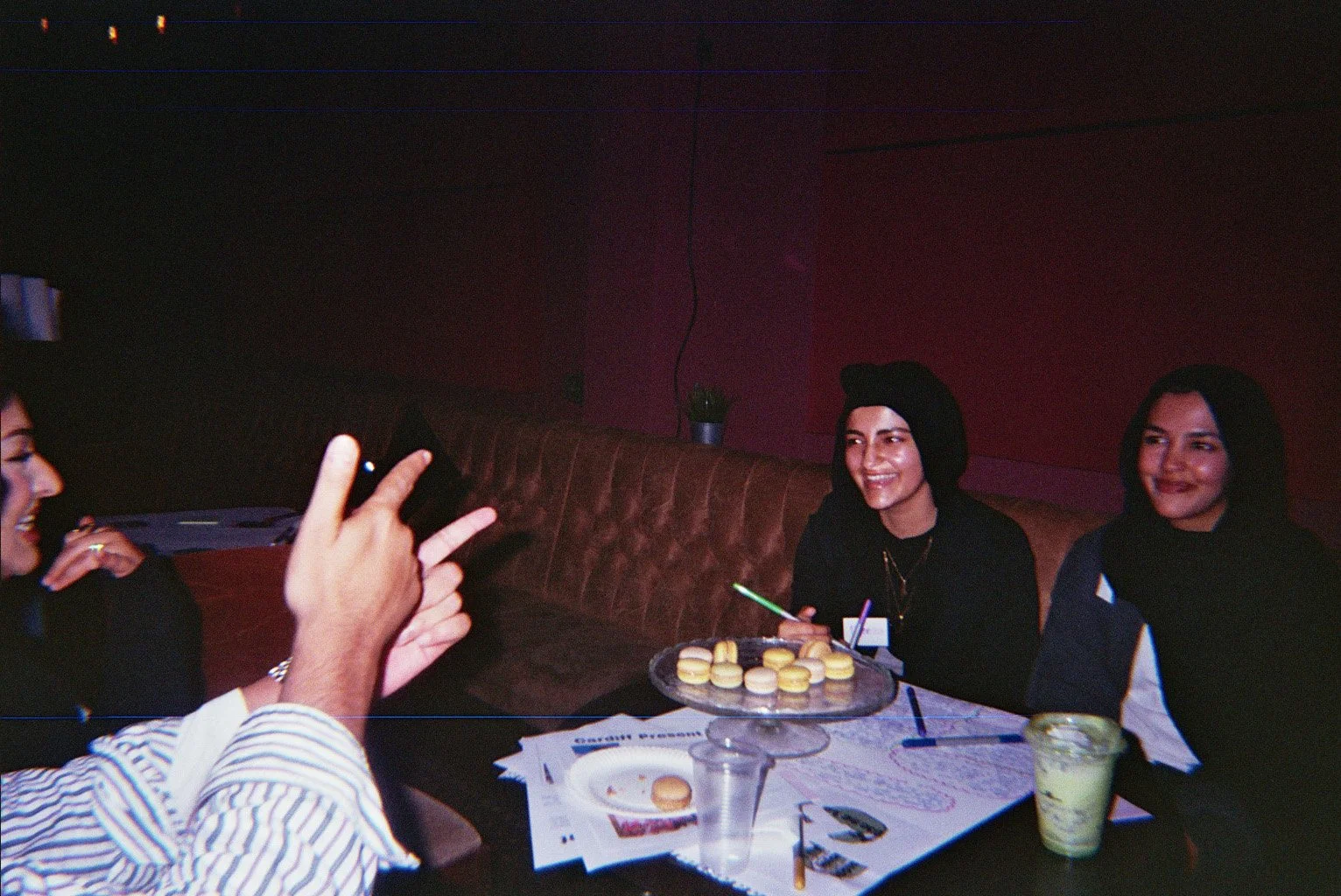
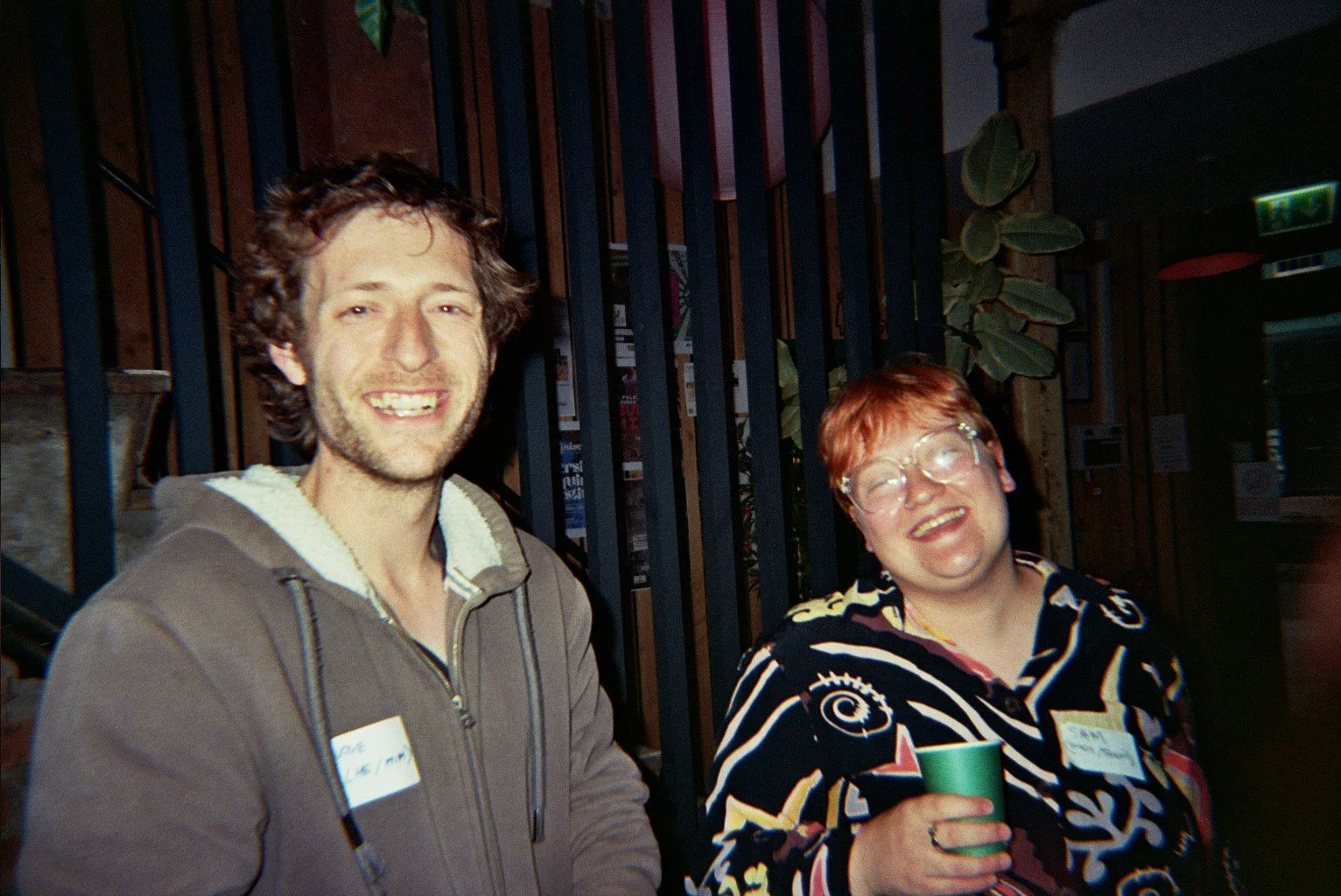
In relation to Cymru, specifically Cardiff, how do we imagine the future of Cardiff in the context of care? To discuss this, the second part of the event had everyone break off into smaller groups of four to five people to discuss different ideas, when we came back together to share, the room was vibrant with ideas and experiences, talking about Tiger Bay and its culture and heritage, the ways in which people used to interact with each other in contrast to contemporary society. Others suggested that capitalism has impacted the community, using examples of big events such as concerts, football and rugby games, taking place in the city and its impacts on the locals in terms of race, accessibility, living, leading to conversations around gentrification and its impact on the community. Many shared that Cardiff feels much safer compared to other cities such as London and Manchester, but they feel as though it is changing more and more and adopting the same characteristics as bigger cities. People in Cardiff are described as kind, friendly and helpful, however, they also feel as though Cardiff as a whole in its current state ‘lacks real relationships and connections’ and that therefore, can feel performative. The more Cardiff becomes like a big city, the more we recognise the power of building and maintaining a revolutionary closeness. This is why spaces like The Canopi and collectives like Pwnc Llosg are crucial in building and maintaining a revolutionary closeness, bringing people from local communities together to talk, learn and discuss.
PODCAST
WITH SAM
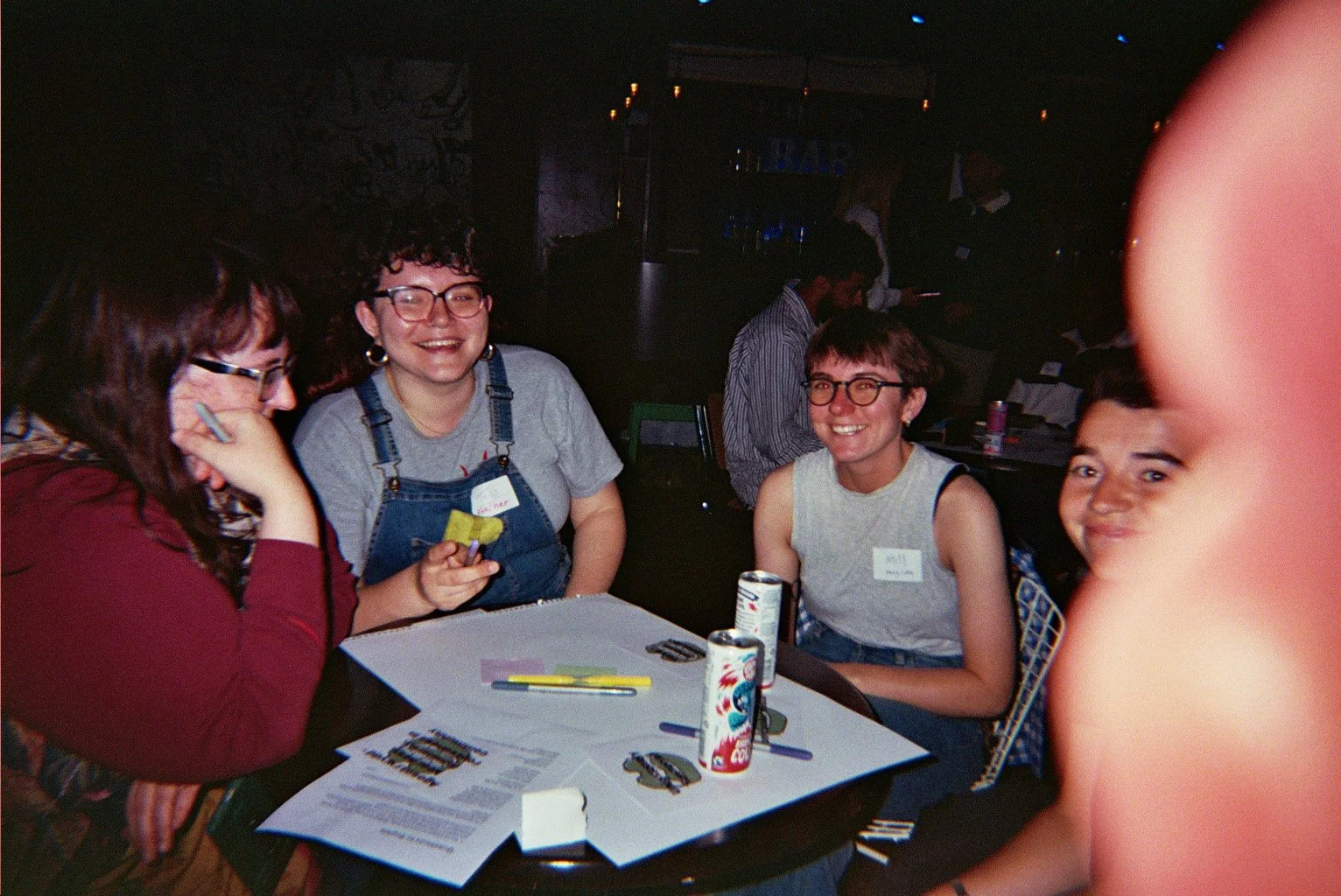
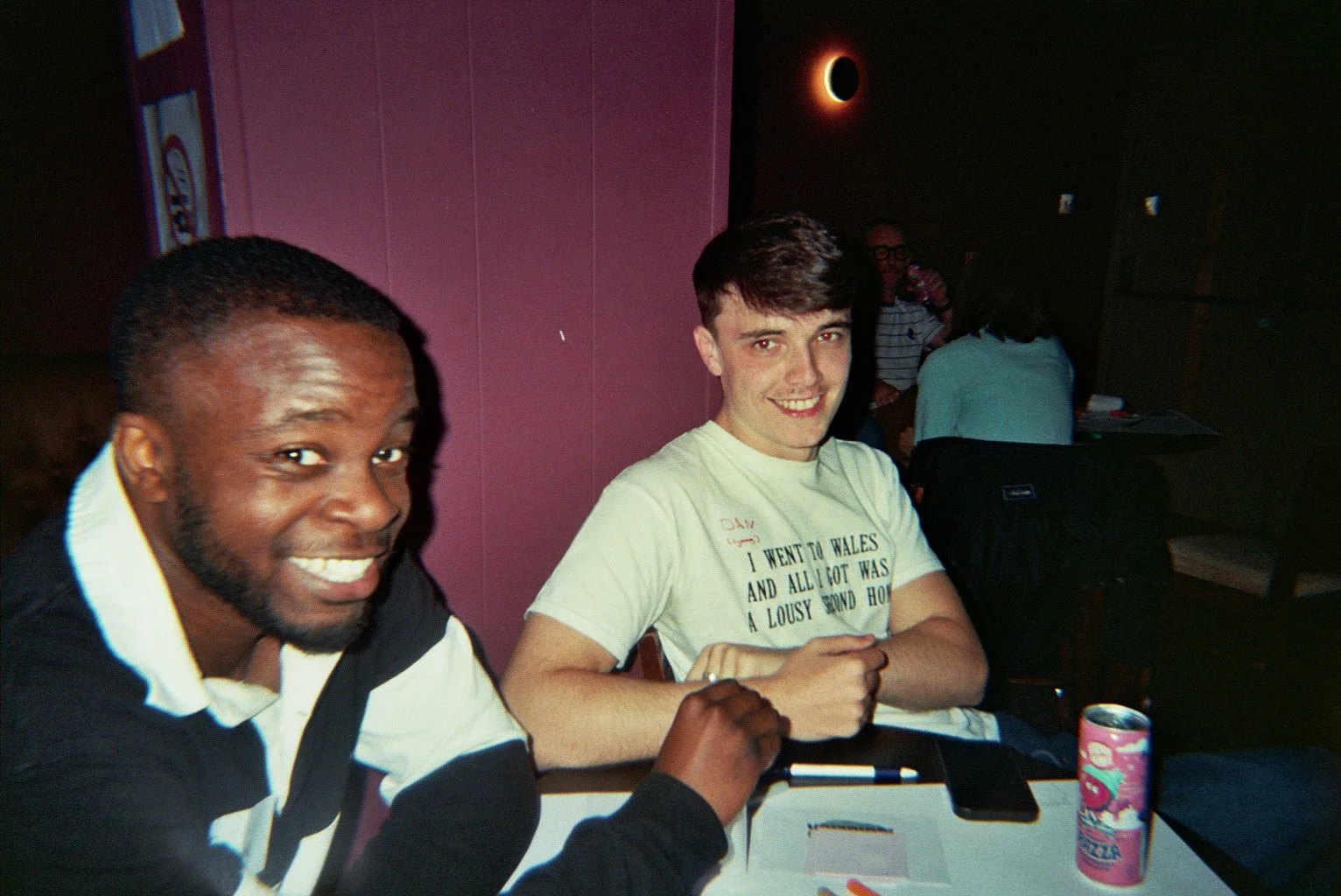
A REFLECTIVE DISCUSSION BETWEEN SAM ROGERS, FACILITATOR, AND DAN SOUTHALL, ‘WELSH SHADOW’
Dear Dan,
The idea of Radical Intimacy translating to something like revolutionary closeness in Cymraeg is interesting. Can you expand on this? Why revolutionary rather than radical? And why is 'radical' perplexing in Cymraeg?
Thanks
Sam
Annwyl Sam,
To tackle this, we could start with the 'radical' first. In Welsh, we also use the word radical. But really, the word 'radical' holds little meaning or practical worth in Welsh. This
is because often, people and ideas that are coined radical are normative ways of life in Wales. Here, I'm thinking of Welsh-language speakers, or, historically, the Chartist and Nonconformist movements. Instead, especially in school, we use the term ‘chwyldroadol’ (revolutionary) primarily in Welsh, which has clear connotations with action and progress.
In Welsh, ‘intimacy’ is not perfectly cross-translatable. In Welsh, we would say ‘agos-atrwydd’ or ‘agos-at’. Taken literally, this means ‘close to’. This word is used both spatially and metaphorically, essentially meaning that to be intimate, we must get as close as possible to whatever we wish to be intimate with. I interpret this as the point at which the boundary between "I am" and "We are" begins to dissolve. Here, we see that 'intimacy' in Welsh functions as an instruction that involves a relationship of proximity, and this relationship is not strictly between people.
Combining the two results in 'Agos-atrwydd Chwyldroadol' (Revolutionary closeness). This appears less ambiguous, less dialogical, and less romantic, and has a stronger collective political resonance. Here we see how a subtle (almost pedantic) shift of words can change the mental imagery and message depending on the lived meaning of the language we use.
Hwyl am y tro,
Dan
Dear Dan,
That is incredibly interesting. Especially the idea of the boundary between "I am" and "we are" dissolving.
How does this living "we" or closeness play out in Welsh culture? I can imagine this looks very different in more cosmopolitan places like Newport or Cardiff.
Thanks,
Sam
That's an interesting question and one that is quite hard to encapsulate. Examples of becoming a collective, or the act of grounding oneself in a community, are something ordinary culture in Wales prides itself on. Examples of industrial towns with their social networks spring to mind. Prominently now, speaking Welsh with others, especially in a prevailing anglophone world, is something that appears to foster a closeness as one not only enters an act of communion with others but develops a view in common by entering the world of Welsh.
Sadly, what you may be alluding to in cosmopolitan areas is the lack of social infrastructure or community feel, which, in my view, has rendered Cardiff just another UK city. I'd be interested to know your view and whether you agree, given your extremely useful insider/outsider positionality in Cardiff. Do we see any examples of revolutionary closeness, or I's turning to We's?
Thank you for your reply!
I have definitely experienced and seen this 'we' togetherness/ closeness in Cardiff, but I think it is less grounded in a feeling of Welshness, and usually more so in a feeling of otherness, which may include speaking Welsh in a very anglophonic city, like you mentioned. Which is to say, I have seen this 'we' culture/ collectivity in Queer communities, Welsh speaking groups, and activist communities in Cardiff.
It is interesting for us who are solely English speakers to hear the perspectives on Radical Intimacy from those who speak other languages. What was the main idea/ perspective that you took away from the book as a Welsh speaker that you think English speakers would have missed?
Ahh, I see, I think that idea of otherness definitely rings true in our examples of collectivity, almost as if one is fighting against a prevailing norm; that is, being drawn to others through a necessity of collective strength rather than being a byproduct of living in a society that actively caters to or encourages such collaboration.
I suppose, not only through the book but during the group discussion, I was reminded that we are sometimes conditioned to look down on the past, as if it is antithetical to our desire for a more progressive and 'advanced' society. Being a Welsh speaker, an integral concept we carry is that we are indebted to the past, because the words we speak have been inherited from their accomplishments. When viewed through this lens, a revolutionary closeness may be discovered through an honest dialectic between 'the community' fostered in Industrial Welsh communities and the emotional subtlety and diversity that Sophie K. Rosa begins to introduce (relationship anarchy being one concept).
To conclude, is there anything, whether a theoretical concept, a thought or an interaction at the event, that has stayed with you?
Thanks for your email.
Great insights again! I love the idea of a living relationship with the past. We are certainly formed by the past, whether that's language, culture, or subculture.
I think the idea which most stayed with me from the reading room conversations, was the idea of teaching people about care within movements and teaching groups how to share the emotional load with caring skills.
Thank you for the email exchange.
Sam